The ongoing need for weather-ocean R&D: an example from Search and Rescue
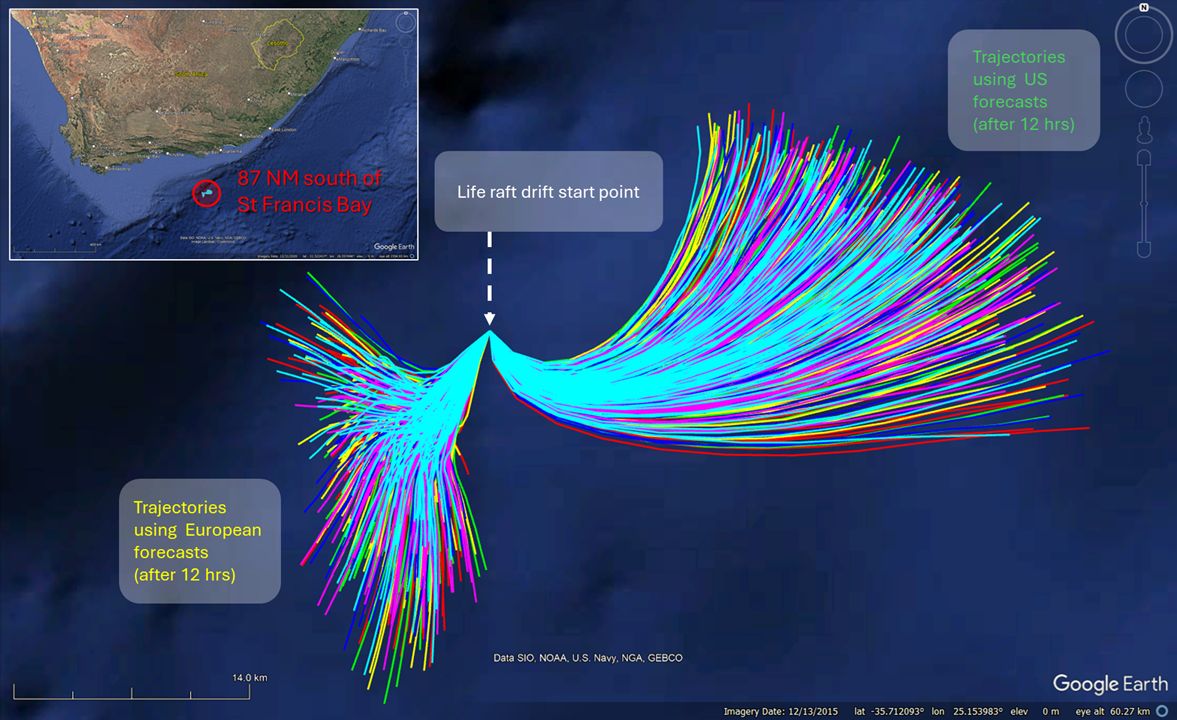
Why is it (still) important to spend time and money on weather-ocean R&D? A quick example from Search and Rescue.
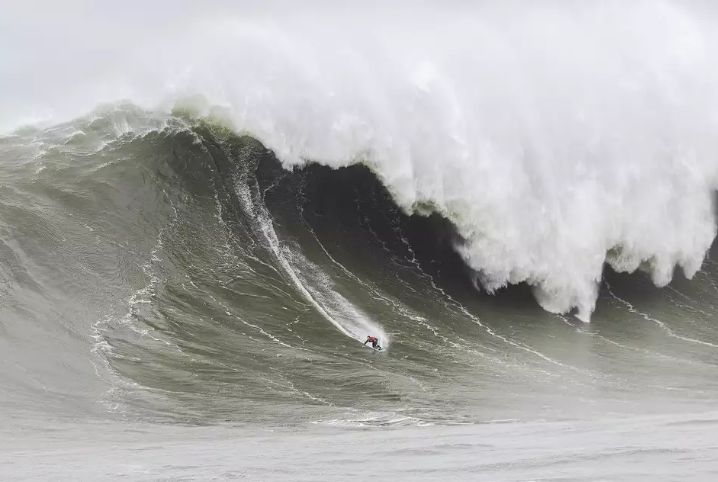
I watched the big wave surfing at Mavericks during one of the most severe swells of the century and ran some analyses afterwards.
Good Things Guy picked up on the development of SARMarc, the search and rescue trajectory prediction tool I built in Python, which draws in open weather and ocean forecast data.
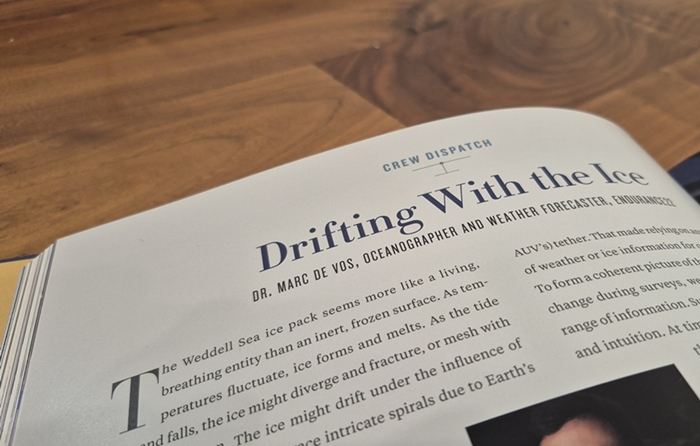
It was an honour to be asked to contribute to this NatGeo coffee table book which details the search for and discovery of the Endurance. The book, authored by John Shears and Nico Vincent, contains stunning visuals and in-depth insights from team members about technical and human dimensions of the expedition.
I wrote a chapter on the drift of the sea ice in the Weddell Sea, the challenge it posed to expedition operations, and our attempts to anticipate and mitigate it.
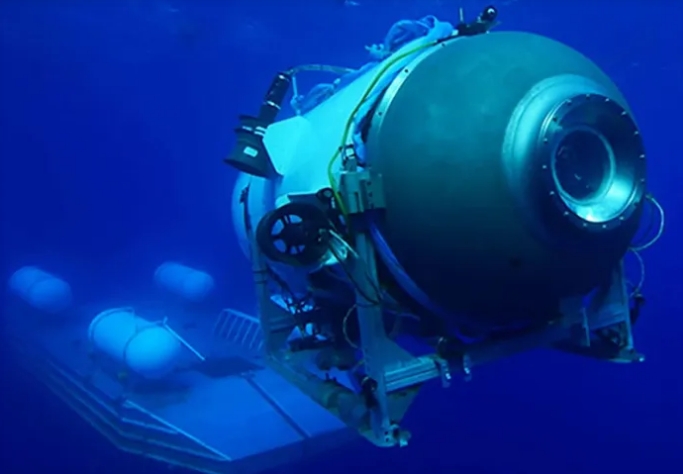
The Cape Argus picked up on a TV interview for my thoughts on the missing Oceangate Titan submersible. This was during the ongoing search.
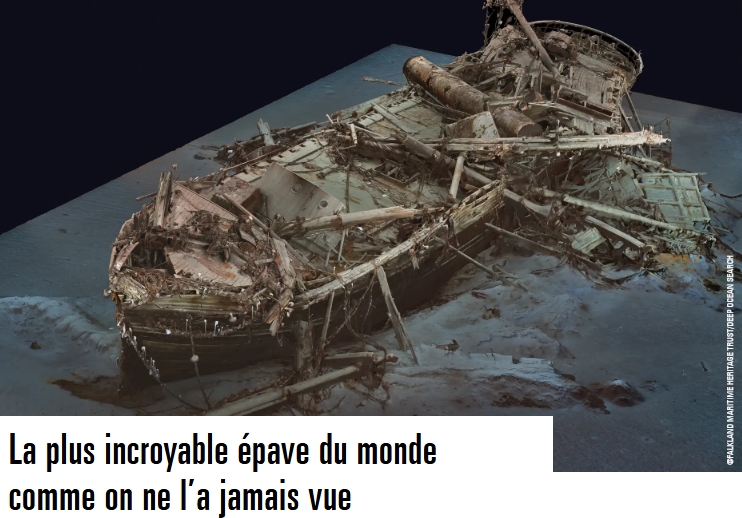
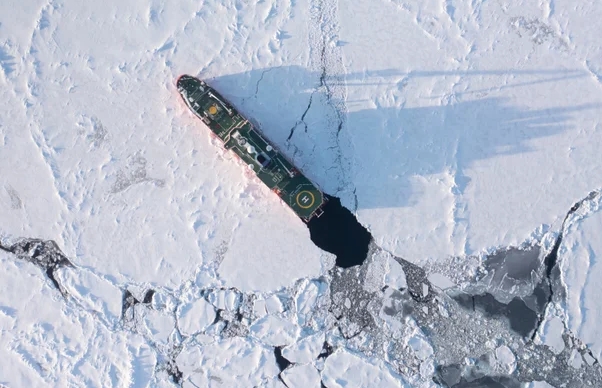
Epsiloon, a French scientific magazine, interviewed me and other members of the Endurance22 Expedition to paint a picture of how the search for Ernest Shackleton's ship, lying some 3000 m under the Weddell Sea ice pack, was conducted.
The Guardian photo piece about the Endurance 22 expedtion to find the wreck of Ernest Shackleton's ship. I led the metocean team onboard, providing analysis of weather and ocean conditions for navigation and survey operations.
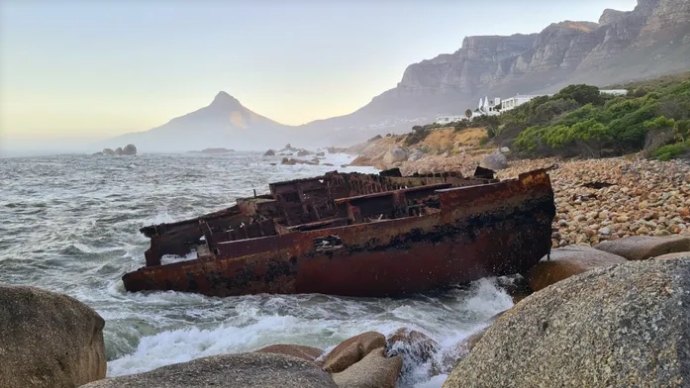
The Cape Argus asked for my thoughts on the extreme wave event which caused one of Cape Town's most famous shipwrecks (and one of my favourite dive spots) to wash ashore.